Wildland Fire and Our Watersheds

Wildland Fire and Our Watersheds
An increasingly Important Connection
The sheer number and size of wildland fires in 2026 is astounding. It seems this year we all know someone who
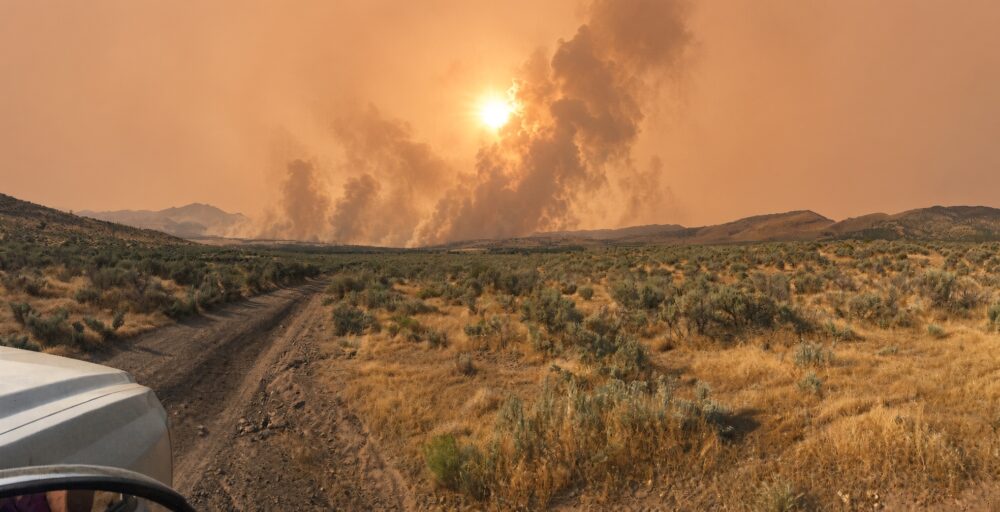
- evacuated from their home,
- had to move cattle ahead of the fire while it burned a grazing allotment,
- had to divert to an alternate route while traveling on summer vacation,
- or had to live for weeks watching the air quality index to determine if it was a good day for an outside activity.
At Schroeder Law Offices, we individually experienced all these factors this year.
Whether these fires were human caused or nature caused after years of drought and lightning events, we have dealt with consequences. We now just pray for a winter with lots of moisture to increase water resources and restore mother nature.
Our water resources do not exist in isolation. The quantity and quality of water available to communities, agriculture, industry, and the environment are directly tied to the health of the watersheds. It is they that collect, store, and deliver that water. As wildland fires become more frequent and severe across the western United States, understanding the relationship between watershed and water supply has become increasingly important.
Watershed
A watershed is the area of land that drains rainfall and snowmelt into a common stream, river, lake, or aquifer. Healthy watersheds function as natural water storage infrastructure. Forests, grasslands, and soils capture precipitation, reduce erosion, recharge groundwater, and help regulate streamflows. When watersheds are functioning properly, they provide cleaner and more reliable water supplies at lower cost.
However, wildland fires can dramatically alter these natural processes. While fire is a normal ecological event in many landscapes, large, high-intensity fires can damage vegetation, consume organic ground cover, and change soil characteristics. As a result of these high-intensity fires, natural watershed infrastructure is damaged by increased runoff, erosion, and sediment transport during storms. Like we witnessed in Nepal and the Grand Canyon, large flash floods can cause significant damage. And this destruction will only be compounded in areas that experienced these high-intensity fires.
Natural watershed damage only increases after fires when increased sediment impairs reservoirs, reduces storage capacity, and raises treatment costs for municipal water providers. Ash and debris may introduce nutrients, metals, and contaminants into streams and lakes, affecting water quality and aquatic habitat. In some cases, post-fire flooding and debris flows can damage water diversion structures, pipelines, and other critical infrastructure.
Watershed Protection
Wildland fires on public lands present additional challenges because many major watersheds originate on federally managed lands. Post-fire conditions may influence water management decisions, watershed restoration efforts, and investments in infrastructure protection. The connection between water resources and watershed health has always been important. Today, however, the growing threat of severe wildland fire highlights just how interconnected these systems truly are. Protecting water supplies requires more than managing water itself; it requires stewardship of the landscapes that produce it. As western states continue to confront drought, climate variability, and increasing wildfire risks, watershed protection will remain a critical component of long-term water resource security.