“Use it or Lose it” Nevada’s Water in Times of Drought

For Nevada's Water in Times of Drought


The July 2016 Nevada Lawyer Magazine focuses on drought conditions and features Schroeder Law Offices’ Attorney Therese Ure’s article, “Use It or Lose It:” for Nevada’s Water in Times of Drought. The article discusses Nevada Revised Statute 534.090, which has become known as the “Use It or Lose It Doctrine” in reference to water rights and Nevada’s forfeiture law.  As drought conditions fluctuate across the west, and particularly in arid desert states such as Nevada, statutory forfeiture provisions relating to partial forfeiture are in conflict with conservation measures such as planting crops that require less water. Click here to read more about defining the use of water and the forfeiture process in the State of Nevada, an online exclusive for Nevada Lawyer Magazine. A full copy of the July 2016 Nevada Lawyer Magazine can be found online.


101 on Forfeiture vs. Abandonment Under Prior Appropriation Doctrine

Forfeiture

We’ve all heard “Use it or Lose it” referring to the Prior Appropriation System.  The use it or lose it concept is the term we use for legal forfeiture which will apply to your water rights of use depending on your jurisdiction and type of water right.  Generally, this concept requires beneficial use of water appropriated under state law over a specific time interval.  In some states (like Nevada and Oregon), “use it or lose” is statutorily controlled, the law describes when a water user must exercise their water right of use.  In Oregon both groundwater and surface water certificates require water use once for every five consecutive year time frame. ORS 540.610. In Nevada, the statute provides that only groundwater certificated uses are subject to forfeiture for non-use if not used at least once every five years.  NRS 534.090. Thus, if you last used your certificated water right of use in 2011, you best put whatever water is available for appropriation under your certificate in place for 2016!  Make sure to use it so you are not at risk of losing it!

Abandonment

Use it or lose it as defined by the water code should not be confused with abandonment, a court made doctrine that may be more broadly applied.  Abandonment will cause cancellation of a water use by intention not to use.  Intention can be established by expression as in a written document or by a physical act.  The physical act of abandonment can include placing a permanent structure over or on top of water righted lands.  If you plan to build the next industrial sized plant, packing shed, scale house, onion storage, fill in your ditch, or take out your diversion structures, etc., you should file that water use transfer or change application prior to any construction!

While this gives you the very “basic” overview of these two legal concepts, Schroeder Law Offices can provide a more detailed explanation


The End of the Prior Appropriation Doctrine?

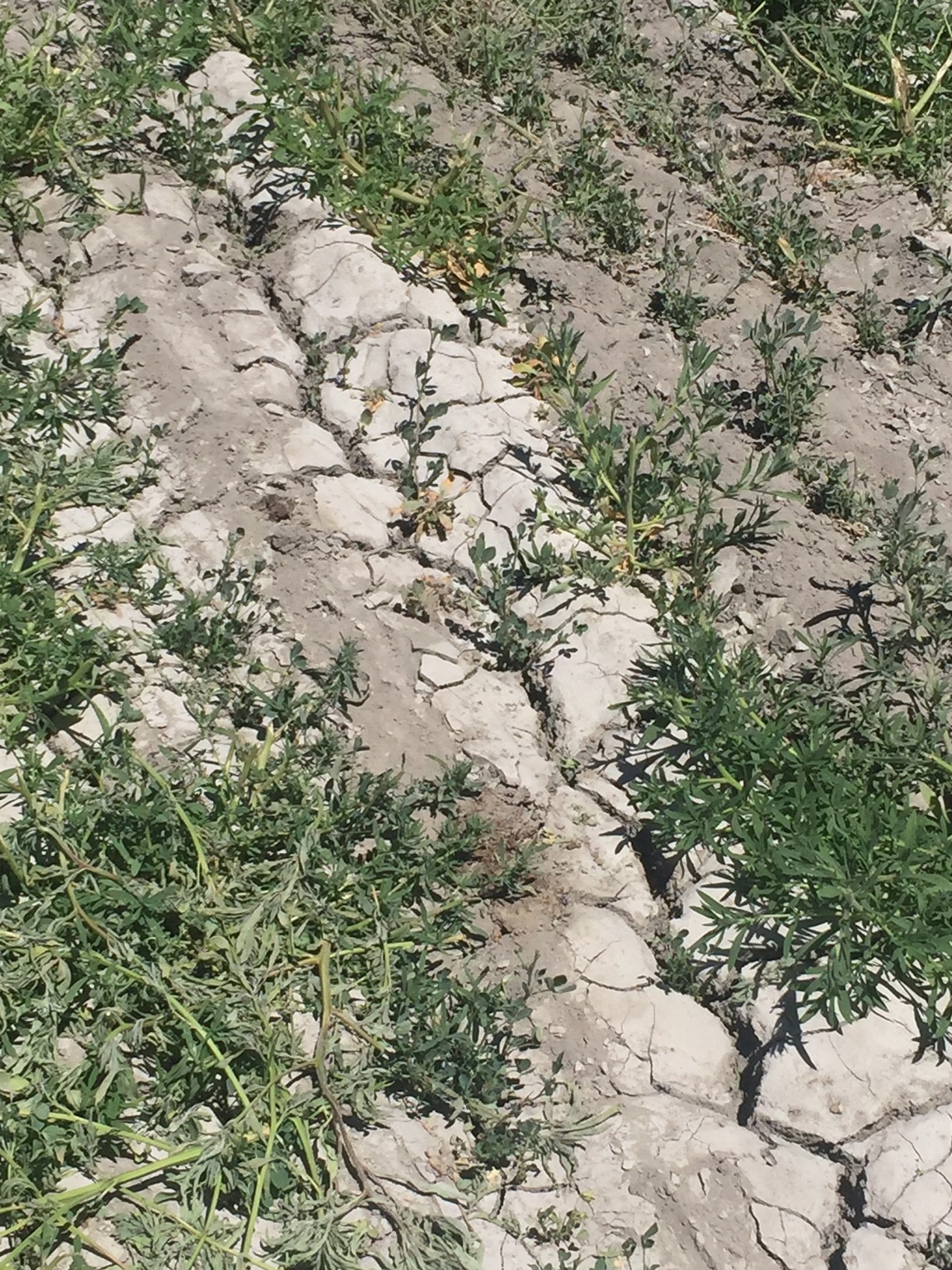
dry groundThe debate continues on the prior appropriation system. During the 2016 Family Farm Alliance Annual Conference, the Alliance’s 2015 report on the prior appropriation doctrine raised some debate. This debate, now focusing on Nevada’s prior appropriation system, was again raised in equal vigor during the 2016 Nevada Water Resources Association annual conference. While many argue the system fundamentally works, some commenters took the stance that the prior appropriation doctrine was flawed and should be reconsidered.

One alternative suggestion presented during these discussions was to adopt the Australian Model which changes a water right to a water share, and strives to entitle these water license holders to a specific share in the available water and to take water at specific times, rates or extraction points. However a true understanding of prior appropriation provides for water use under these circumstances, with the main difference being, in a short water year, the difference class of shareholders receive different allocations. So instead of a month, day and year priority to govern who receives their water first, the Australian Model groups all users into classes of shares with perhaps 3-5 classes all together depending on the stream system. What we did not hear about was how the Australian system handles conjunctive management calls within these class-share systems.

We suspect this debate will continue throughout the western United States as climate change and the drought continue.

Co-authored by Therese A. Ure


California’s New Water Measuring, Recording & Reporting Law

California Governor Brown signed Senate Bill 88 into law on June 24, 2015. Part of that Bill amended the California Water Code to require that all persons who divert 10 acre-feet or more of water per year after January 1, 2016 must install a water measuring device to measure the rate of diversion (including diversion into and out of storage). Water users must report installation to the Water Board, as well as provide evidence that the measuring device is functioning properly at five-year intervals. Water users must maintain records of diversion at time intervals of one hour or less (in some cases) and total amounts of water diverted.

Annual diversion reports must be submitted to the Water Board, and the law states: “Compliance with the applicable requirements of this section is a condition of every registration, permit, or license.” The new law imposes civil fines in an amount not to exceed $500 per violation, per day, which may be enforced civilly through the superior court, or administratively by the Water Board. The Water Board will provide forms for reporting.

On January 19, 2016, the Water Board adopted emergency regulations to implement the new water measuring law. Those regulations were sent to the Office of Administrative Law for approval. Of note, the proposed regulations give the Deputy Director of the Division of Water Rights the authority to require monthly, daily, or more frequent reporting in times when there are insufficient flows to support all diversions. Additionally, the regulations propose a phased approach that takes into account the amount of water diverted, with larger diverters needing to comply with more stringent requirements than smaller diverters.

The recent drought spurred California law makers to enact this law that will mark a drastic change in the way water users operate. The Water Board reports that this new measurement, recordkeeping, and reporting law will apply to approximately 12,000 water users in California. The Water Board hopes that the new law and regulations will improve water use regulation and planning. Industry groups, including the California Cattlemen’s Association, oppose the regulations.

In Oregon, the Water Resources Department has phased in water use measuring, recordkeeping, and reporting requirements into new water use permits that are issued. California’s new law and regulations impose a new condition on existing water use rights, raising red flags about regulatory takings.

For access to S.B. 88 and the draft administrative rules, visit: http://www.waterboards.ca.gov/waterrights/water_issues/programs/measurement_regulation/.

Stay tuned to Schroeder Law Offices’ Water Blog for more news that may affect you!