The Greater Idaho Movement

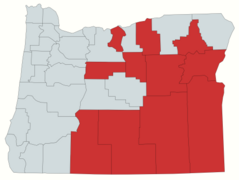
The Greater Idaho Movement is a fascinating and complex effort that has gained traction in recent years. This movement seeks to redraw the state boundaries. Several counties in eastern Oregon would become part of Idaho. The primary motivation behind this movement is the cultural and political differences between the rural, conservative eastern Oregon and the more urban, liberal western part of the state. 

Water: A Critical Issue in the Greater Idaho Movement

One of the critical issues at the heart of this movement is water rights. Water is a precious resource in the arid regions of eastern Oregon and Idaho. The management of water rights is crucial for agriculture, industry, and residential use. Water rights in the western United States are governed by the doctrine of prior appropriation, which essentially means “first in time, first in right.” This doctrine has been the foundation of water law in both Oregon and Idaho for over a century. However, the implementation and management of these rights can vary significantly between states.

In Oregon, water rights are managed by the Oregon Water Resources Department (OWRD). The state has a comprehensive water management plan that includes strict regulations on water usage, conservation efforts, and environmental protections. In addition, OWRD has ceded its application processes in large part to the Oregon Department of Fish & Wildlife (ODFW). These regulations can sometimes be viewed as burdensome by farmers and ranchers in eastern Oregon. They feel that their needs are not adequately represented in the state’s policies.

Idaho, on the other hand, has a more fluid approach to water management. The Idaho Department of Water Resources (IDWR) oversees water rights at the State level, but there is generally more local control and flexibility in how water is allocated and used.  Additional agencies, such as state fish and wildlife do not oversee or inform IDWR’s work. This approach is often seen as more favorable by those in the agricultural sector, as it allows for more adaptive management practices that can better respond to local conditions.

What if the Greater Idaho Movement Succeeds?

If the Greater Idaho Movement were to succeed, the counties that join Idaho would transition from Oregon’s water management system to Idaho’s. This shift could have several implications:

  1. Regulatory Changes: Farmers and ranchers in these counties might experience a reduction in regulatory burdens, allowing for more flexible water usage. This could lead to increased agricultural productivity and economic benefits for the region.
  2. Water Allocation: The change in state governance could also impact how water is allocated among different users. Idaho’s system might provide more opportunities for local stakeholders to influence water management decisions. That could lead to more equitable distribution of water resources.
  3. Environmental Concerns: While the transition might benefit agricultural users, there could be concerns about the environmental impacts of less stringent water regulations. A critical challenge will be ensuring that water usage remains sustainable and that ecosystems are protected.
  4. Interstate Water Compacts: The movement could also affect existing interstate water compacts and agreements. These legal agreements govern the allocation of water from shared rivers and aquifers between states. Any changes in state boundaries would require renegotiation of these compacts to ensure fair distribution of water resources.

Conclusion

The Greater Idaho Movement is more than just a political and cultural shift. It has significant implications for water rights and resource management. As the movement continues to evolve, it will be essential to carefully consider how these changes will impact the people and ecosystems that depend on water in this region. Balancing the needs of agricultural users with environmental sustainability will be key to ensuring a prosperous future for all involved.

Schroeder Law Offices works with clients in both Idaho and Oregon as well as Nevada, Washington and Utah.


Utilities are Essential: IRWA’s Response to COVID-19

essential utility; training; IRWA; facility; COVID response

This post is one of a series highlighting the ways in which water users have adapted to life in the time of COVID-19.

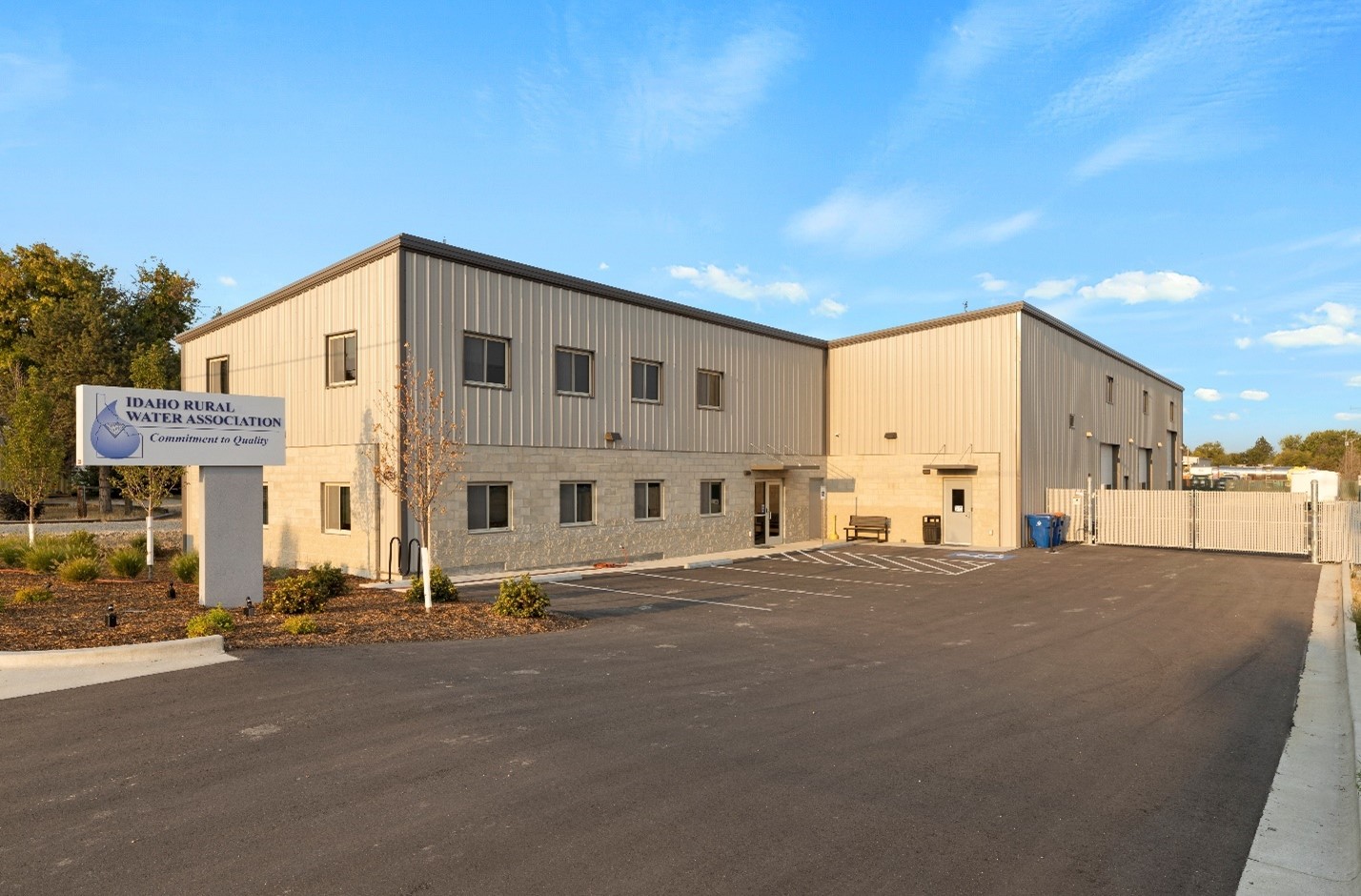
Shelley Roberts is the CEO of the Idaho Rural Water Association (“IRWA”). IRWA is a resource for small water systems in the State of Idaho that offers training for drinking water and wastewater operators and aids those systems in times of need. Their objective is “to ensure Idaho’s rural communities are safe while still maintaining the high quality of life we hold so dear.”

For Shelley, the best part of working with IRWA has been the same since day one. As someone with a business background, she loves being able to utilize her education by running a non-profit corporation benefiting others. “I’ve never met such salt of the earth people as I have in the water industry,” she says. “They are all so genuine, caring, and kind.”

COVID-19’s impact on IRWA started during its Spring Conference in March, 2020, which concluded on Friday, March 13- the same day the Federal Government declared a state of emergency. The following Monday, all of IRWA’s administrative staff were directed to stay home. The week after, IRWA organized a work from home policy that allowed employees to perform their duties remotely. For IRWA’s circuit riders, though, it was a different story.

IRWA’s new technical training center, finished in June 2020.

Drinking water and wastewater are essential services, and adjustments had to be made to ensure they continued to run smoothly. IRWA employs numerous circuit riders and field staff whose jobs require in-person and onsite contact with water system operators. However, thanks to video conferencing technology, much of their communications with the operators could be conducted remotely, limiting potential exposure. When site visits were required, field staff practiced social distancing as much as possible, including staying 6 feet apart and wearing face masks.

An unexpected benefit of remote work was an increased ability not only to contact the systems but for internal communication between IRWA’s employees, office and field staff alike. “We learned how to use Teams and started having weekly video conferences,” Shelly told us. “We weren’t able to do that before. It was nice for everyone [at IRWA] to have more contact with each other.”

According to Shelley, one of the biggest impacts COVID-19 had was fear of “what ifs.” The ability to communicate with water systems in remote locations without having to travel allowed the circuit riders to discuss those concerns quickly and determine what steps were needed to resolve any issues.

Another of IRWA’s major concerns was operator availability. Many of the small systems IRWA works with are operated by volunteers who have other commitments to day jobs and families. Should those operators fall ill or otherwise become unable to perform their duties, it can be difficult to find other operators to fill in.

IRWA has long worked with the Environmental Protection Agency (“EPA”) to locally administer the water/wastewater agency response network, otherwise known as WARN. In response, through WARN, IRWA was able to put together a list of volunteers who could assist if a system’s regular operator was not available.

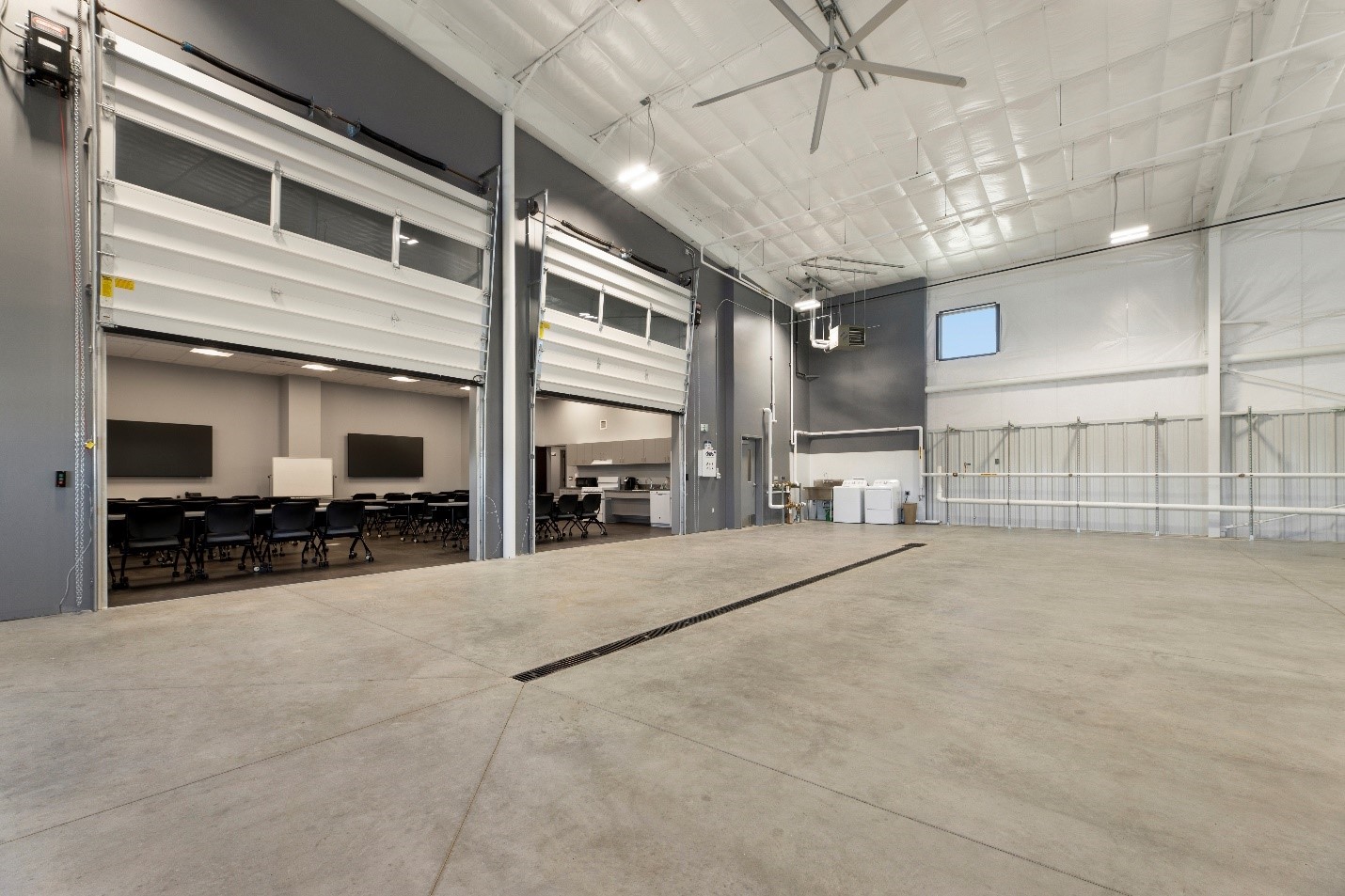
IRWA’s state of the art technical training center facilitates traditional classroom training as well as hands on facilities all under one roof.

Shelley says that IRWA’s response to COVID-19 did not greatly differ from their response to other emergencies in which the first step is typically outreach and communication with the systems IRWA works with. For example, on March 21, 2020, a magnitude 6.5 earthquake struck central Idaho. Circuit riders needed immediate contact with water systems to assess any potential damage caused by the quake. Luckily, the remote communication procedures implemented in response to COVID-19 allowed IRWA’s circuit riders to easily check in with system operators.

While the pandemic continues to impact daily life and operations for IRWA in general and Shelley personally, she looks forward to life after COVID-19. Professionally, she awaits opening up the new training center in Boise, Idaho IRWA constructed just prior to the shutdown. The center will host hands-on trainings for water and wastewater operators in addition to traditional classroom training. As for her personally? Being able to hug her friends and extended family.

Shelley participated in a panel discussion on the pandemic’s impact on the Idaho water sector as a part of the Idaho Association of Cities’ 2020 virtual conference, which you can watch in full here. For more information about IRWA, including details for upcoming trainings, check out their website here. And stay tuned to Schroeder Law Offices’ blog for more posts in this series and other water-related issues!


COVID-19 Webinar Series: Elements of Water Right Online Research in Idaho, Oregon, and Nevada

IDWR, OWRD, NDWR Logos


For the sixth COVID-19 webinar, paralegals Rachelq Harman, Tara Jackson, and Lisa Mae Gage will discuss the research tools and resources available on the Idaho Department of Water Resources (IDWR), Oregon Water Resources Department (OWRD), and Nevada Division of Water Resources (NDWR) online databases. The webinar will occur in 3 parts on May 20, 2020.

First, Rachelq, moderated by attorney Laura Schroeder, will present on IDWR’s online resources from 11:00 AM to 11:30 AM Pacific Time (12:00 PM to 12:30 Mountain Time). Next, Tara, moderated by attorney Sarah Liljefelt, will present on OWRD from 12:00 PM to 12:30 PM Pacific Time. Finally, Lisa Mae, moderated by attorney Therese Ure, will present on NDWR from 1:00 PM to 1:30 PM Pacific Time.

Click on the state’s name to register for the Idaho, Oregon, and/or Nevada webinars. We invite you to attend all three, or just the one(s) most relevant to you. If you have any issues with registration, please contact Scott Borison at: scott@water-law.com. If you can’t make it, stay tuned to our blog for announcements for information about the next webinars. Our previous webinars in the COVID-19 Series are available here.

Each of the May 20th webinars will offer suggestions on how to get the most out of each state’s online resources and water right information. First, we will provide an overview of what tools are available on each state’s website, then narrow our focus to water right look up and mapping tools. We will then take you through the steps needed to search for individual water rights. We will also explore the various online mapping tools and files available to aid in water right research. 

Topics will include:IDWR, OWRD, NDWR Logos

  1. Website home page overview
  2. Use and function of water right search systems
    1. Types of search fields
    2. Types of search results
  3. Use and function of online mapping tools
    1. Finding a water right
    2. Finding a well
  4. Other useful tips/tools for water right research

We will offer a surprise discount for online research assistance to be provided by one of the experienced water rights paralegals who are panelists to this webinar for webinar participants.

The COVID-19 Webinar series will continue over next several weeks, including topics related to real estate due diligence and water management organization. Previous webinars are available on our website, giving you access to Schroeder Law Office’s educational events under the “social distancing” orders! Follow Schroeder Law Offices’ Water Law Blog for the most up to date information and announcements!


Bear River Basin Adjudication Legislature Moves Forward

In 2014, the Idaho Department of Water Resources (“IDWR”) proposed adjudicating water rights in the Bear River Basin in Southern Idaho. Now, nearly 6 years later, a bill that would allow IDWR to commence the adjudication is up for legislative consideration. The Idaho House of Representatives unanimously passed House Bill 382 (“HB 382”) on February 10, 2020. The House then sent it to the Idaho State Senate with a “do pass” recommendation on February 11. The third Senate reading of HB 382 is scheduled to occur on February 26.

Adjudicating the Bear River Basin water rights will enable IDWR to “accurately record all existing water rights to resolve uncertainty and to help ensure fair and accurate water administration.” Revised Statement of Purpose RS27284C1/H0382, available here. Many of the water rights in the Bear River Basin hold senior priority dates, but uses have changed over time or are placed to use outside the claimed boundaries due to the passage of time and inconsistent record keeping. Additionally, because of the uncertain nature of many of the water right claims, until an adjudication is completed, senior users who face interference from junior users’ water use cannot seek enforcement of their priorities.

The Bear River Basin is one of only two basins in Idaho that have not yet been adjudicated. In 2014, IDWR signed a final decree closing the Snake River Basin Adjudication (“SRBA”). Several basins in Northern Idaho, including the Coeur d’Alene-Spokane, Palouse River, and Clark Fork-Pend Oreille basins, are currently being adjudicated as part of the Northern Idaho Adjudication project. IDWR’s website provides a summary of past, current, and upcoming adjudications here.

If HB 382 passes the Senate, the final step will be for Governor Brad Little to sign the bill into law. Then IDWR can commence the adjudication by sending notice to water users and property owners within the Bear River Basin. Those users will then have the opportunity to submit claims for historical and ongoing water use. Once the submission period closes, the Court will review all claims and, eventually, issue a decree confirming the water rights.

It is not uncommon for adjudication proceedings to take a significant number of years from their commencement to completion. Idaho has completed its prior adjudications in record time. Even so, the SRBA began in 1987, but a decree was not issued until 2014. Legislature similar to HB 382 authorizing the adjudications in Northern Idaho was passed in 2006; however, Phase 1 of 3 is still ongoing and Phase 2 only just began in April 2019. The Bear River Adjudication would not begin until adjudications in Northern Idaho are complete. Once commenced, it is expected to take 8-10 years.

Stay tuned to Schroeder Law Offices’ blog for updates on the Bear River Basin and other water projects!


Proposed Legislation First Step in Settling Reservoir Release Debate

In an often-arid, agricultural community, nothing is more precious than water, particularly in drought years. However, flood years present their own set of challenges as well. When it comes to water allocation, it’s not just how much water that matters, but also when that water is received. Timing is as important as quantity when it comes to water delivery, especially when taking into account the impact snow pack and snow melt has on water supply.

For irrigators in Idaho’s Treasure Valley, this issue has long been a topic of discussion and debate. Water is accumulated and stored in three major reservoirs (Arrowrock, Anderson, and Lucky Peak) and is released throughout irrigation season to water users through a series of canals. Water is diverted to users at various points on the canals, at which time it begins to count toward a user’s annual allotment of water. This is typically not an issue during years of normal water accumulation and distribution. However, when above-average quantities of water accrue in the reservoirs, water must be released earlier in the spring to prevent overflow and flooding.

Lucky Peak Reservoir
Lucky Peak Reservoir is one of three major reservoirs that supply water to Idaho’s Treasure Valley

Early “flood water” releases are the root of the current conflict concerning regulation of water storage in Idaho. Water rights holders are allowed only a certain amount of water under the conditions of their permits and/or certificates. When water is released out of storage earlier in the year, Idaho Water Resources Department advises that the meter starts running regardless of whether or not the water right holder is ready to turn the water into its irrigation facilities. For senior users (holders of rights with earlier priority dates), this means seniors risk running out of water later in the season. Typically, if a senior is not receiving their allowed quantity of water as flows decrease in the hotter months, the senior is able to make a water call on junior priority water right holders. However, if, due to the early release of water, the senior has technically received the storage release of their senior priority water, the senior could be left high and dry.

This issue has been litigated in the Idaho courts as a contested case since 2013, with argument before the Idaho Supreme Court scheduled to occur on June 20, 2018. However, on June 6, 2018, a joint legislative committee met and unanimously called for Governor Butch Otter to hold a special session to pass legislation that would add a new Section 42-115 to the Idaho Code. Section 42-115 would ensure that future water storage projects do not interfere with existing reservoirs. While this proposed legislation will not fully resolve the ongoing issues, nor constitute a settlement between the parties, it may be a positive first step toward resolution.

Stay tuned to Schroder Law Offices’ blog for updates on this legislation, settlement, and other water law topics!


ESPA Achieves Record Recharge

ESPA

For over half a century, the question of how to conserve and replenish water in Idaho’s largest aquifer, the Eastern Snake Plain Aquifer (ESPA), has been on the collective minds of the state’s water users. Serious droughts in the 1990s increased pressure on the ESPA resource, and preliminary recharge efforts were unsuccessful. Finally, in 2009, the ESPA Comprehensive Aquifer Management Plan, otherwise known as CAMP, was signed into law. CAMP’s goal is to annually recharge 100,000 acre feet (af) during the first ten years of the plan’s implementation, followed by 250,000 af per year thereafter.

The recharge comes from a combination of sources. The Idaho Department of Water Resources (IDWR) also supports canal companies and irrigation districts recharge projects, rotations and efficiency reductions.

ESPA

The 100,000 af goal was not quite reached in the first few years. Recharge was roughly 75,000 af in both the 2014-2015 and 2015-2016 seasons. However, the 2016-2017 saw 317,000 af returned to the ESPA, far exceeding the 100,000 af goal. The 2017-2018 season is shaping up to be even better. Over 350,000 af have already been replenished.

ESPA’s recharge success is good news for the residents of southern and eastern Idaho, and Idaho in general, as roughly 25% of Idaho’s economy is dependent upon agricultural output from the region. Unfortunately, CAMP’s success in the ESPA has not been matched by similar programs throughout the state and region. The Rathdrum Prairie Aquifer (RPA) in the northern part of the state, which is responsible for roughly 8% of Idaho’s production of goods and services, has a CAMP program in place. However, the RPA has not been nearly as successful as the ESPA at achieving substantial recharge. Another CAMP program has been proposed for the Treasure Valley, but has been delayed due to ongoing discussion between legislators and constituents.

In Washington, the Odessa Groundwater Replacement Program (OGWRP) was implemented to reintroduce water back into the Odessa Aquifer. Several initiatives under the umbrella of this program have been enacted, and have had reasonable success. However, efforts have focused more on limiting usage of the aquifer rather than reintroducing water back into it. Oregon has also taken steps to encourage recharging of its aquifers. However, as illustrated by the attempts in the Umatilla Basin, these programs have struggled to achieve significant recharge.

CAMP’s success did not come overnight. As with any major experimental project, it took decades of planning, communication, and compromise to achieve the ESPA’s level of recharge. Nonetheless, the potential for aquifer recharge demonstrated is inspiring, and will hopefully pave the way for similar projects throughout the West.

Stay tuned to Schroeder Law Offices’ Water Law Blog for more news and events!