Foodscaping

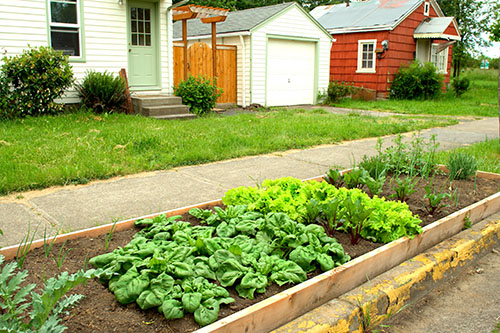
Photo with a foodscaping example

Foodscaping – A New Trend!

With spring just around the corner, many homeowners are starting to plan what flowers to plant to welcome the season. This year, try “foodscaping.” It’s a smart, space-saving approach that lets even those with limited outdoor space grow edible plants alongside ornamentals.

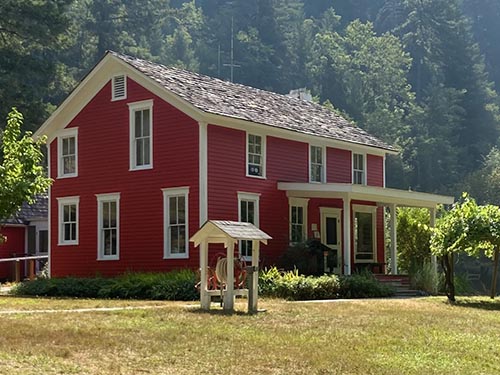
Photo with a foodscaping example

 Foodscaping blends vegetables, fruits, herbs, and edible shrubs with traditional flowers and foliage. It’s ideal for renters or anyone without room for a dedicated vegetable plot who still wants to start a home garden. Whether you have a large backyard, a modest suburban lot, or a few pots on a patio, spring is the perfect time to mix the beauty flowers with the practicality of home-grown fruits and vegetables.

If you are just beginning some easier plants to start with are:

  • Potatoes are simple to grow, especially in containers, and come in red, purple, brown and yellow.
  • Garlic can be stuck along the edges of flower beds as it takes up little room and animals avoid it.
  • Lettuces comes in many colors and textures, making them beautiful fillers for empty pockets in the garden.
Nevada residents with a warmer climate may consider:

  • Figs & Mulberries that are low?maintenance fruit trees that handle heat well.
  • Sunshine Blueberries that add some color to a pot or garden and are heat resistant.
  • Rosemary and Lavender are drought?tolerant, deer?resistant, and ideal for borders.
Those with very little space but still wanting to add some edible beauty to their homes or windowsills could use:

  • Basil, sage, oregano, or bay laurel can be put in smaller pots in indirect sunlight so that they may thrive.
  • Hanging baskets are perfect for strawberries, trailing herbs, and dwarf tomatoes. They can add some color to a balcony or porch.
Those with a little more room and wanting to try ‘foodscaping’ could plant:

  • Olive trees, pomegranates, or shrubby edibles such as blackberries, raspberries, or elderberries in their yard for vibrant color and harvests that trim your grocery bill.
  • Instead of installing outdoor art, try training apples, pears, or fig trees flat against a fence or wall (espalier) so the colorful fruit ripens right in time for outdoor living.

Foodscaping can be as simple as a few pots on the patio or as extensive as replacing all your flowers with fruits, vegetables, and herbs. It adapts to your lifestyle and abilities, making it a fun way to beautify your space while shortening your grocery list.


Hoard, Emily. Foodscaping Incorporates Edibles into Ornamental Landscapes. Oregon Association of Nurseries., 2025 https://diggermagazine.com/foodscaping-incorporates-edibles-into-ornamental-landscapes/


Harvest a Tree and Help Restore Trout Creek Meadow!

Lake Tahoe Community College welcomes community members to get a tree permit from the Tahoe Regional Planning Agency and participate in the holiday tradition of cutting your own holiday tree. This event not only lets you bring home a festive tree but also supports the restoration of Trout Creek meadow by removing pine trees that have started to encroach on the area. These trees are taking water from the meadow’s soil, which can disrupt the local ecosystem. By carefully removing them, we help preserve the meadow and encourage native plants to flourish.

How to Get Your Tree Permit

  • Visit the LTCC library, where a tent will be set up for permit distribution
  • Sign a release of liability form
  • Collect your permit and follow the provided guidelines

Important Safety Information 

  • Tree cutting comes with certain risks
  • Permit holders must agree not to hold Lake Tahoe Community College responsible for any injuries or damages during the event

Tree Cutting Guidelines

  • No vehicles allowed beyond designated parking areas; use marked trails
  • Trees may only be cut from the flat meadow within marked boundaries
  • Only hand tools are permitted (chainsaws are not allowed)
  • Cut only what you can carry
  • Trim stumps as close to the ground as possible to prevent hazards

Event Details 

When: Saturday, December 6th, 2025, 9 am to 2 pm (weather permitting)
Where: Lake Tahoe Community College: Roberta Mason Library – 1 College Drive, South Lake Tahoe, California
Purpose: Help restore the meadow, protect Lake Tahoe’s clarity, improve water availability, support biodiversity, and reduce wildfire risk
What to bring: Dress warmly, wear sturdy shoes, and bring hand tools for tree cutting

Make sure to follow Schroeder Law Offices’ blog for more upcoming community events, updates to agricultural and water-related issues, and more!


Nevada Water

Have You Heard of Nevada Water?

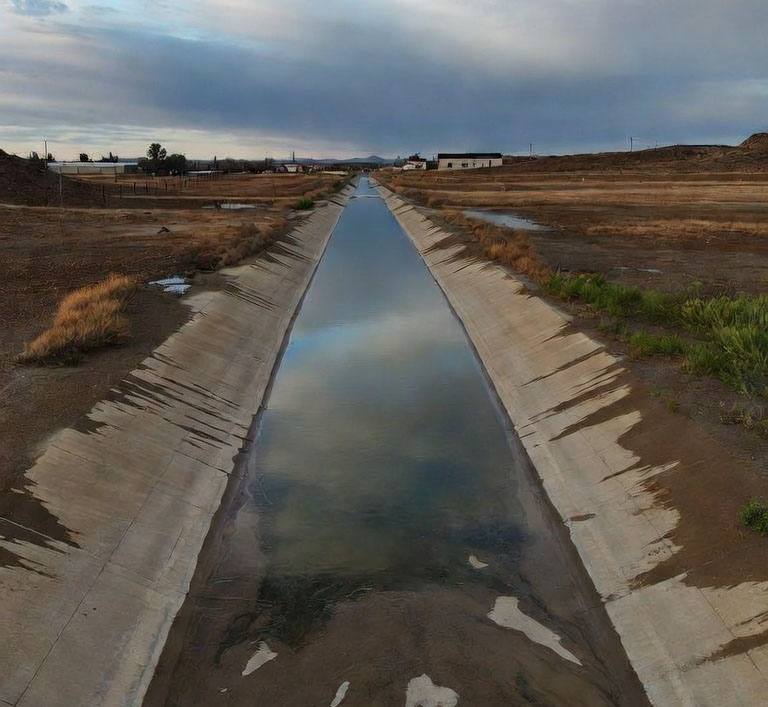
Nevada Water, through the University of Nevada at Reno, is a network comprised of many organizations statewide. They have the common goal of bringing water education to everyone from students to leaders. Nevada is the driest state in the country. The population is growing fast so that changes in our communities both big and small are happening every day to accommodate the growing state.

Nevada Water: Man-made lake at Lake Mead National Recreation Area

City and rural areas often see water issues differently. Nevada Water’s goal focusses on encouraging discussion and collaboration rather than immediate law and policy change. Bringing a trusted network of organizations together to discuss and solve the state’s diverse challenges, including water scarcity, for long term solutions the benefits all the state’s residents.

One approach the organization utilizes is Transformative Science-with-Society (TSS). This approach allows for multi-perspective discussion that encourages local knowledge, traditional wisdom, and science to work together at every step. Members regularly check in and adjust plans to build trust and make sure everyone is involved. This allows everyone to learn from each other and identify what changes need to be made to move toward a sustainable water future. By tracking progress, and consistently re-evaluating successes and failures from all parts of the state we can see which strategies work best for Nevada’s water challenges.

For more information, please visit the Nevada Water website. You may also see Nevada Water in the news today:


Well and Septic April Workshops

NNPH & RCAC April Workshops

Attention Northern Nevada residents, have you ever wished your home’s septic system and well came with an owner’s manual?  Well, you’re in luck.  This month, Northern Nevada Public Health (NNPH) and the Rural Community Assistance Corporation (RCAC) are teaming up to offer two free in-person workshops focused on domestic wells and septic systems.

These April workshops will help homeowners better understand, maintain, and protect their private water and wastewater systems, while also providing access to valuable resources and technical assistance. Both workshops will include take home materials, Q&A sessions with environmental experts, and guidance on water testing, inspections, and local support programs. The trainings will be available in English and Spanish.

You Own a Private Well, Now What? Protecting Your Home’s Water Source  

 You can register for either or both sessions via the links in the descriptions below. For more information on NNPH’s well and septic programs, visit Domestic Well Program and Septic and Liquid Waste Program.

When: Wednesday, April 23, 2025, from 5:30-8:30 p.m. 
Where: Northern Nevada Public Health – 1001 East Ninth Street, Bldg B, Reno 
Register: https://www.events.rcac.org/assnfe/ev.asp?ID=4579 

More: This interactive workshop will cover the basics of domestic well ownership, including routine testing, maintenance tips, and ways to protect your water quality. NNPH and RCAC experts will also share information about local resources and programs to assist well owners.

How to Manage Your Septic System – Maintenance, Protection, and Resources 

When: Thursday, April 24, 2025, from 5:30-8:30 p.m. 
Where: Northern Nevada Public Health – 1001 East Ninth Street, Bldg. B, Reno
Register: https://www.events.rcac.org/assnfe/ev.asp?ID=4578 
Details: This session will provide practical guidance on septic system upkeep, common signs of failure, and how to prevent costly repairs. Attendees will also learn about public health and environmental considerations, and get connected with helpful tools and support programs

Make sure to follow Schroeder Law Offices’ blog for more upcoming community events, updates to agricultural and water-related issues, and more!