Irrigation in Portugal’s Douro Valley

Irrigation in Portugal’s Douro Valley
Why Douro Valley Winegrowers Must Obtain Irrigation Authorization Before Watering Vineyards
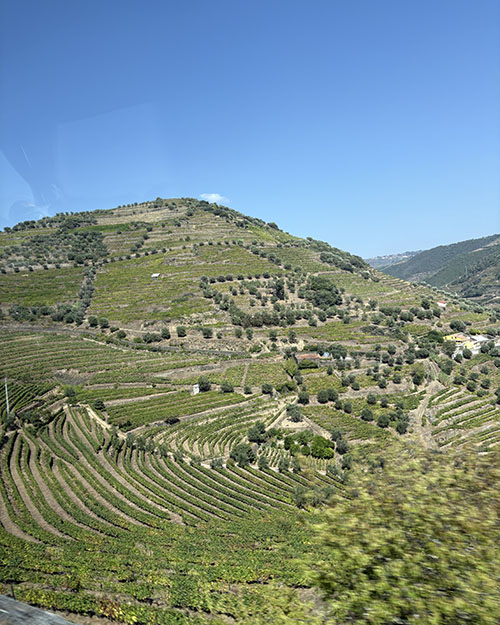
The vineyards of Portugal’s Douro Valley are among the most regulated and historically significant wine-producing areas in the world. The Instituto dos Vinhos do Douro e do Porto (IVDP) oversees the production of Port and Douro wines. It regulates viticultural practices within the Douro Demarcated Region, a landscape that is both a protected wine appellation and a UNESCO World Heritage Site.
One regulatory requirement that may surprise growers accustomed to more liberal irrigation practices is that irrigation in the Douro is not generally treated as an unrestricted farming activity. Licensed wine growers seeking to irrigate vineyards within the region must comply with applicable regulatory requirements. They must obtain authorization from the relevant wine authorities before irrigation may occur. The authorization process reflects the region’s longstanding emphasis on preserving wine quality, terroir, and production standards. [ivdp.pt], [digital.ivdp.pt]
Why Irrigation Is Regulated in the Douro Valley
Historically, many of Europe’s premium wine regions restricted irrigation. This was because excessive watering was believed to increase yields at the expense of grape concentration and wine quality. The Douro Valley, which is one of the world’s oldest demarcated and regulated wine regions, continues to place significant importance on maintaining the traditional characteristics of its wines.
The regulatory framework also protects the unique environmental and cultural landscape of the Douro. The region’s steep terraced vineyards, limited water resources, and internationally recognized heritage status make water management a matter of public and regulatory concern. It is not merely a private farming decision. The IVDP expressly identifies sustainability and preservation of the Douro landscape as key regulatory objectives. [digital.ivdp.pt]
Climate Change Has Increased the Importance of Irrigation in the Douro Valley
In recent years, hotter temperatures and recurring drought conditions have placed increasing pressure on growers throughout southern Europe. The Douro is no exception. Industry and governmental initiatives have evaluated new irrigation practices and even the reuse of treated wastewater to support vineyard irrigation while conserving scarce water supplies.
As climate conditions become more challenging, regulators have increasingly recognized that carefully controlled irrigation may be necessary to preserve vine health and maintain vineyard productivity. Nevertheless, the use of irrigation remains subject to oversight rather than being left entirely to the discretion of individual growers.
Practical Lessons for Vineyard Owners and Investors
For vineyard owners, purchasers, and agricultural investors operating in the Douro Valley, the irrigation authorization requirement highlights an important due diligence issue. Water rights, irrigation infrastructure, and vineyard management plans should be evaluated alongside traditional concerns such as land ownership, grape varieties, and production quotas.
A prospective purchaser should not assume that the existence of a water source automatically permits irrigation of vineyard acreage. Instead, growers should confirm whether the proposed irrigation activity complies with applicable regulations. They also should be sure necessary approvals have been obtained through the appropriate regulatory channels. The IVDP maintains an extensive compliance framework for viticulturists and economic operators within the Douro Demarcated Region. They use online systems through which growers satisfy regulatory obligations and interact with the agency. [gov.pt], [areareserv…da.ivdp.pt]
Conclusion
The requirement that Douro winegrowers obtain authorization to irrigate vineyards reflects the region’s distinctive approach to balancing agricultural productivity, wine quality, environmental stewardship, and cultural preservation. As climate pressures increase, irrigation will likely become an increasingly important tool for vineyard management. However, in the Douro, irrigation remains a regulated activity. It is subject to oversight by the authorities responsible for protecting one of the world’s most celebrated wine regions.
For vineyard owners, investors, and agricultural businesses, understanding irrigation permitting requirements should be a key component of any legal or operational strategy involving property in the Douro Valley.