Development in Northern Nevada and Its Growing Impact on Water Resources

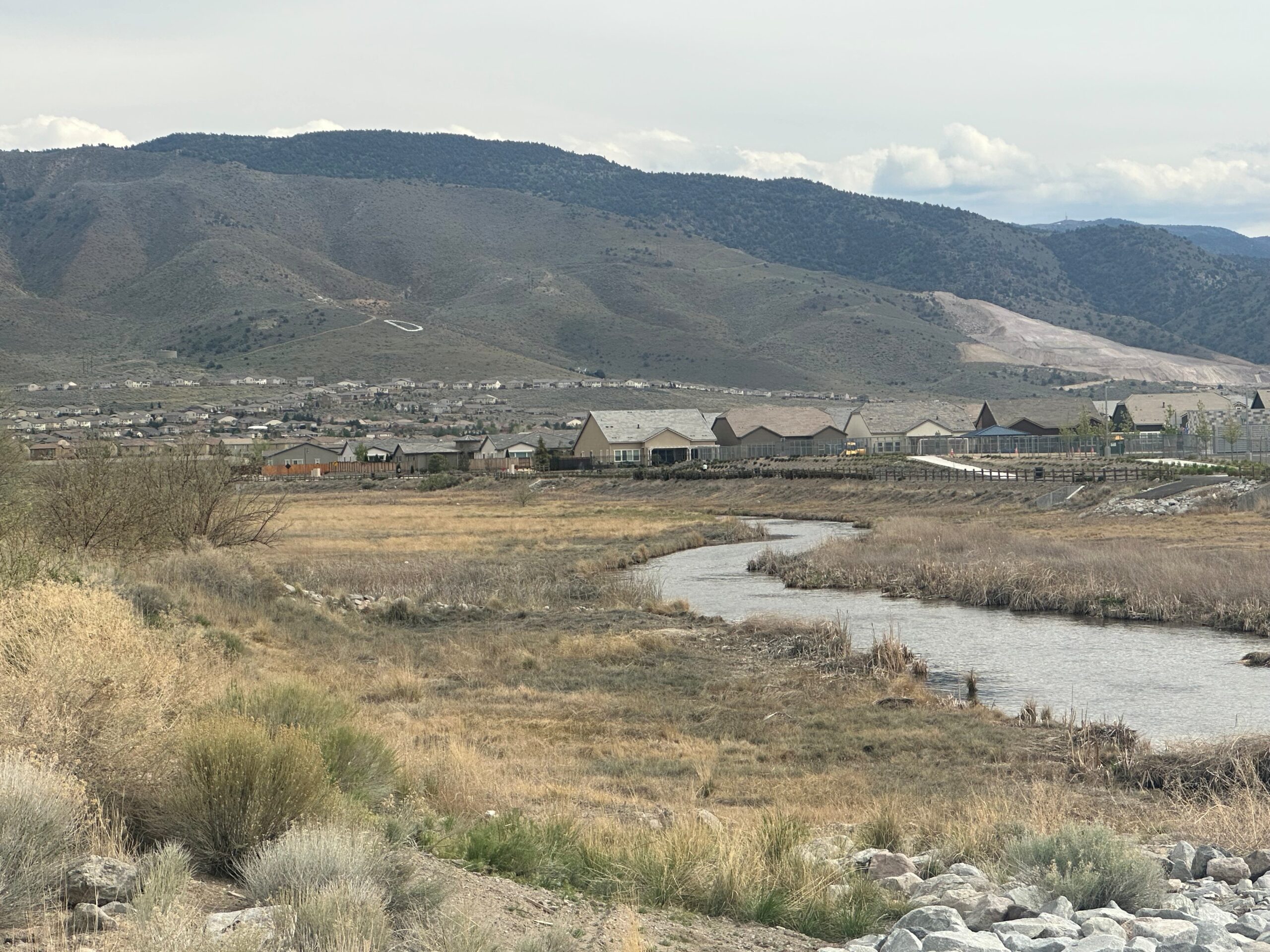
Northern Nevada has experienced a significant economic boom in recent years, driven by the growth of technology companies, manufacturing facilities, logistics hubs, and expanding residential developments. As these communities grow, concerns about long term water availability have become increasingly urgent. This article explores how ongoing development is intersecting with the region’s water systems and what current reports suggest for the future.
1. A Region Defined by Limited and Variable Water Resources
Water in Northern Nevada is heavily dependent on mountain snowpack, especially from the Sierra Nevada and connected basins. Early 2025 assessments showed above normal snowpack levels—in some northern basins as high as 164% of median—which offered short term optimism for water availability. Additionally, water year precipitation across much of Northern Nevada measured between 108% and 129% of median levels.
However, this stability is fragile. A December 2025 drought status update reported that despite a relatively wet start to Water Year 2026, long term drought still persisted in parts of central and southern Nevada. This ongoing volatility underscores the region’s vulnerability: a single dry season can quickly offset several productive years.
2. Development Pressures Across the Region
Reno–Sparks, Fernley, and the Tahoe-Reno Industrial Center (TRIC) continue to expand rapidly. These fast-growing areas increase demands on both surface and groundwater supplies.
The Nevada State Water Plan progress update emphasizes the importance of accurately assessing statewide water use and projecting future demands. The plan outlines the need to evaluate challenges arising from growing development and increased strain on water resources. This aligns with the fact that burgeoning industries, data centers, advanced manufacturing, and distribution facilities consume considerable water.
At the same time, several basins crucial to Northern Nevada’s water supply, such as the Carson, Upper Humboldt, Snake, and Clover basins, have shown below normal soil moisture levels in recent measurements. Lower soil moisture reduces natural groundwater recharge, an essential buffer for communities relying on aquifers.
3. Snowpack Variability and Climate Uncertainty
Because much of Nevada’s water originates from winter snowfall, climate shifts pose a serious challenge. Forecasts from statewide Water Supply Outlook Reports show that streamflow projections can vary significantly due to uncertainties in weather patterns, snowfall levels, and model limitations.
Recent winters have brought warmer storms, leading to more rainfall and less lower elevation snow accumulation. While mountain snowpacks remain healthy, the decline in valley level snowfall limits natural water retention.
For a region dependent on spring runoff, this change raises long term concerns, especially as development accelerates.
4. Persistent Drought Challenges
Despite temporary improvements, drought continues to shape Nevada’s water outlook. Late 2025 assessments showed that although drought conditions improved in many areas, long term drought still persisted across central and southern Nevada. This presents increasing challenges for water managers attempting to serve:
- Expanding residential neighborhoods
- Growing industrial water demands
- Agricultural users
- Environmental and ecological requirements
As development continues during persistent drought cycles, the pressure on water allocation strategies increases significantly.
5. Statewide Water Planning Efforts
Nevada’s water agencies are preparing for the future through updates to the Nevada State Water Plan. The ongoing 2023–2025 update process includes:
- Assessing climate impacts on water supplies
- Estimating current and future statewide water demands
- Evaluating water resource challenges emerging from population and economic growth
- Developing recommendations for long?term water management
The plan acknowledges the need to consider water quantity alongside climate driven changes in availability. These steps will be crucial as Northern Nevada faces the intersection of rapid development and uncertain water supply conditions.
6. Conclusion: Balancing Growth and Sustainability
Northern Nevada’s growth offers economic opportunity but also challenges the region’s most limited resource: water. While recent data shows positive trends in snowpack and precipitation, long term drought and significant year to year variability remain defining features of the region.
Sustainable planning, informed policymaking, and responsible development will be essential for ensuring that Northern Nevada can continue to thrive without compromising its water future. As cities, businesses, and state agencies collaborate on solutions, Northern Nevada stands at a critical balancing point: maintaining economic momentum while preserving long term water security.