The Greater Idaho Movement

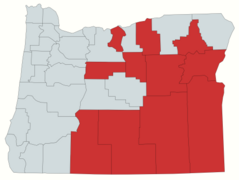
The Greater Idaho Movement is a fascinating and complex effort that has gained traction in recent years. This movement seeks to redraw the state boundaries. Several counties in eastern Oregon would become part of Idaho. The primary motivation behind this movement is the cultural and political differences between the rural, conservative eastern Oregon and the more urban, liberal western part of the state. 

Water: A Critical Issue in the Greater Idaho Movement

One of the critical issues at the heart of this movement is water rights. Water is a precious resource in the arid regions of eastern Oregon and Idaho. The management of water rights is crucial for agriculture, industry, and residential use. Water rights in the western United States are governed by the doctrine of prior appropriation, which essentially means “first in time, first in right.” This doctrine has been the foundation of water law in both Oregon and Idaho for over a century. However, the implementation and management of these rights can vary significantly between states.

In Oregon, water rights are managed by the Oregon Water Resources Department (OWRD). The state has a comprehensive water management plan that includes strict regulations on water usage, conservation efforts, and environmental protections. In addition, OWRD has ceded its application processes in large part to the Oregon Department of Fish & Wildlife (ODFW). These regulations can sometimes be viewed as burdensome by farmers and ranchers in eastern Oregon. They feel that their needs are not adequately represented in the state’s policies.

Idaho, on the other hand, has a more fluid approach to water management. The Idaho Department of Water Resources (IDWR) oversees water rights at the State level, but there is generally more local control and flexibility in how water is allocated and used.  Additional agencies, such as state fish and wildlife do not oversee or inform IDWR’s work. This approach is often seen as more favorable by those in the agricultural sector, as it allows for more adaptive management practices that can better respond to local conditions.

What if the Greater Idaho Movement Succeeds?

If the Greater Idaho Movement were to succeed, the counties that join Idaho would transition from Oregon’s water management system to Idaho’s. This shift could have several implications:

  1. Regulatory Changes: Farmers and ranchers in these counties might experience a reduction in regulatory burdens, allowing for more flexible water usage. This could lead to increased agricultural productivity and economic benefits for the region.
  2. Water Allocation: The change in state governance could also impact how water is allocated among different users. Idaho’s system might provide more opportunities for local stakeholders to influence water management decisions. That could lead to more equitable distribution of water resources.
  3. Environmental Concerns: While the transition might benefit agricultural users, there could be concerns about the environmental impacts of less stringent water regulations. A critical challenge will be ensuring that water usage remains sustainable and that ecosystems are protected.
  4. Interstate Water Compacts: The movement could also affect existing interstate water compacts and agreements. These legal agreements govern the allocation of water from shared rivers and aquifers between states. Any changes in state boundaries would require renegotiation of these compacts to ensure fair distribution of water resources.

Conclusion

The Greater Idaho Movement is more than just a political and cultural shift. It has significant implications for water rights and resource management. As the movement continues to evolve, it will be essential to carefully consider how these changes will impact the people and ecosystems that depend on water in this region. Balancing the needs of agricultural users with environmental sustainability will be key to ensuring a prosperous future for all involved.

Schroeder Law Offices works with clients in both Idaho and Oregon as well as Nevada, Washington and Utah.


House Bill 3419

House Bill 3419: What’s Next for Well Monitoring and Reporting?

Oregon House Bill 3419  has the potential to restrict how much water homeowners can pump from their exempt (non-permitted) wells. It requires meters to record water usage. This bill also focuses on constructing consistency in how water use is measured and reported, in hopes to refine water enforcement procedures.

Most types of water use require the user to obtain a permit from the Oregon Water Resources Department (“OWRD”). But Oregon law currently considers domestic use of up to 15,000 gallons of groundwater per day, including irrigation of lawns and non-commercial gardens less than one-half acre, exempt from permitting and reporting requirements. This could change under HB 3419.

Public Feedback

Public response to House Bill 3419 has been mixed. While environmental protection organizations like WaterWatch of Oregon, the Nature Conservancy, and the Oregon Environmental Council support the passage of House Bill 3419, many individuals have provided public comments in opposition. The Oregon Water Resources Congress (“OWRC”) also opposes HB 3419, stating, “We are not opposed generally to measurement and reporting… However [HB 3419] would provide OWRD with overly broad authority that will only compete with and undermine other ongoing water management efforts.”

Mark Owens, Oregon State Representative for House District 60, has said he is opposed to any bill that would establish constraints for rural residents who rely on exempt wells for their domestic water. House District 60 includes Baker, Grant, Harney, Lake, Malheur, and part of Deschutes Counties in central and eastern Oregon. Many residents of these rural counties rely on private wells to obtain domestic water. Owens’ aim is to make things less complicated for Oregonians. H wants to ensure access to secure and reliable water for their homes. He spoke about possibly setting up a fund to support repairs and replacements of wells that have been affected by droughts, fires, and contamination.

Conclusion

It is important that well owners, especially those who rely on exempt wells for domestic use, maintain awareness of potential rules and regulations that could require additional procedure concerning their water access. House Bill 3419 is currently in front of the Oregon House Committee on Agriculture, Land Use, Natural Resources, and Water. There are no scheduled hearings on this bill, and the deadline to submit testimony has expired. We will continue to monitor the progress of HB 3419, so check back for updates! If you’re interested in learning more about ongoing water right issues, visit our the Schroeder Law Offices, PC blog!

More Information about House Bill 3419

  1. Oregon Well Owners Face New Restrictions: State Proposes Controversial Monitoring Plan – The Hillsboro Herald
  2. Farmers fret water meter mandate (HB 3419 hearing) | Oregon Catalyst
  3. Good News – The Oregon Legislature is Not Trying to Meter Your Domestic Well – Oregon Property Owners Association
  4. Agriculture, Land Use, Natural Resources, and Water House 2025 Regular Session – Oregon Legislative Information System
  5. OWRC Testimony


USCID Call for Papers

USCID Call for Papers – Consider Participating!

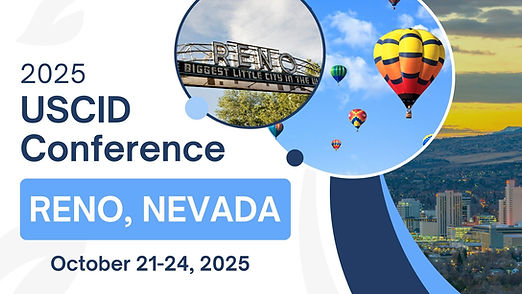
The United States Committee on Irrigation and Drainage (USCID www.uscid.org) is excited to announce the call for papers for its Annual Conference, scheduled to take place from October 21-24, 2025, in Reno, Nevada. This year’s conference will focus on the critical issues surrounding water supply and demand, emphasizing sustainable basin water management in the face of increasing scarcity and competing uses.

Conference Overview

The USCID Conference in Reno aims to address the challenges of water planning and management, particularly in the context of agricultural, urban, and environmental demands. With changing weather patterns, regulatory constraints, and the evolving science of hydrology and hydrogeology, the conference will explore innovative solutions to ensure reliable water supplies and effective resource management.

Call for Papers

USCID invites abstracts for papers and presentations that align with the conference’s themes. Authors can submit abstracts for either a 20-minute oral presentation with a paper or a 15-minute oral presentation without a paper. Accepted papers will be included in the Conference Proceedings, providing a valuable resource for attendees and the broader water management community.

Key Topics

The conference will cover a wide range of topics, including but not limited to:

  1. Basin Water Management and Governance

    • Basin supply and demand management
    • Regional management governance structures
    • Implementing sustainable groundwater basin rules

  2. Competing Uses of Water

    • Shared facilities
    • Surface water/groundwater exchanges

      • Recycling and wastewater reuse

  3. Water Planning

    • Integrating regional water resources
    • Reservoir management and operation modeling
    • Stakeholder involvement

  4. Water Supply and Demand Management

    • Urban and agricultural irrigation conservation
    • Deficit irrigation and drought management
    • Salinity and water quality management

  5. Water Transfers

    • Water rights concerns
    • Improvements in agricultural and urban water transfers
    • Environmental permitting and policy

  6. Technologies

    • Evapotranspiration and consumptive use
    • Flow measurement and SCADA systems
    • Precision irrigation and smart device applications

Submission Guidelines

Authors are encouraged to submit a 250-300 word abstract, including the paper or presentation title, author names and affiliations, and contact information. Abstracts should be submitted as a .doc or .docx file to megan@agamsi.com by May 1, 2025.

Important Dates

  • Abstracts Due: May 1, 2025
  • Notification to Authors: May 15, 2025
  • Draft Papers Due: July 15, 2025
  • Comments to Authors: August 15, 2025
  • Final Papers Due: September 15, 2025
  • Conference Dates: October 21-24, 2025

Join us in Reno for an engaging and informative conference that promises to advance the field of irrigation and drainage. We look forward to your contributions and participation in this important event. For more information, visit USCID’s call for papers website.


Oregon Snowpack 2025

Oregon Snowpack

Oregon Snowpack: A Winter Wonderland in 2025

Oregon Snowpack

With the first day of spring just around the corner, Oregon’s snowpack is now a topic of significant interest and importance. This year, Oregon has experienced remarkable snowfall, leading to a snowpack that is not only above average but also the best in the western United States. What does this record-breaking year mean for the region?

A Record-Breaking Oregon Snowpack

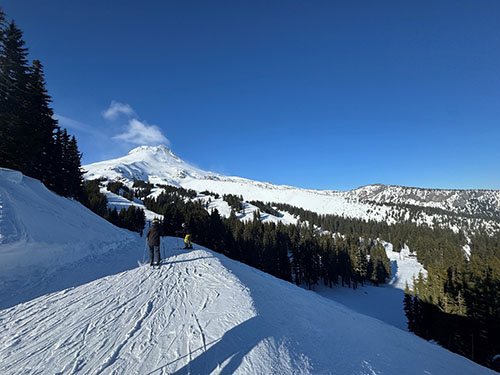
As of February 2025, Oregon’s snowpack has reached an impressive 144% of normal levels with all watersheds at 77% or higher of median snow-water levels. The John Day, Malheur, Harney, and Lake County-Goose Lake watersheds all have more than 150% of median snow-water levels. The levels across the state look very similar to those in 2019.

The accumulation is due to a series of cold winter storms providing large amounts of snow across the state. The heavy snowfall has been a welcome sight for many, especially after several years of fluctuating snowpack that raised concerns about water supply and drought conditions. Oregon has enjoyed a successful winter ski season. Skiing is expected to continue far into the spring, with many ski areas near or at 100 inches of snow.

Implications for Water Supply

This substantial Oregon snowpack is not only enjoyed for recreational winter snow uses. It also bodes well for water users during the rest of the year. The current snowpack levels are a positive sign for Oregon’s water supply. With snowpack levels well above average, the state is better positioned to meet water demands for agricultural and recreational uses, especially with irrigation seasons starting in March. The ample snowpack reduces the immediate risk of drought, providing a buffer against dry conditions that could arise later in the year.

Looking Ahead

While the current Oregon snowpack levels are encouraging, it is important to remain cautious. In recent years, strong snowpacks have melted too quickly due to early warm temperatures in spring and summer. This faster melting reduces the snowpack’s ability to prevent wildfires. It is wise to approach the season with caution and to be well-prepared.

All in all, this is good news for Oregon water users, and we will hope for a bountiful summer.